


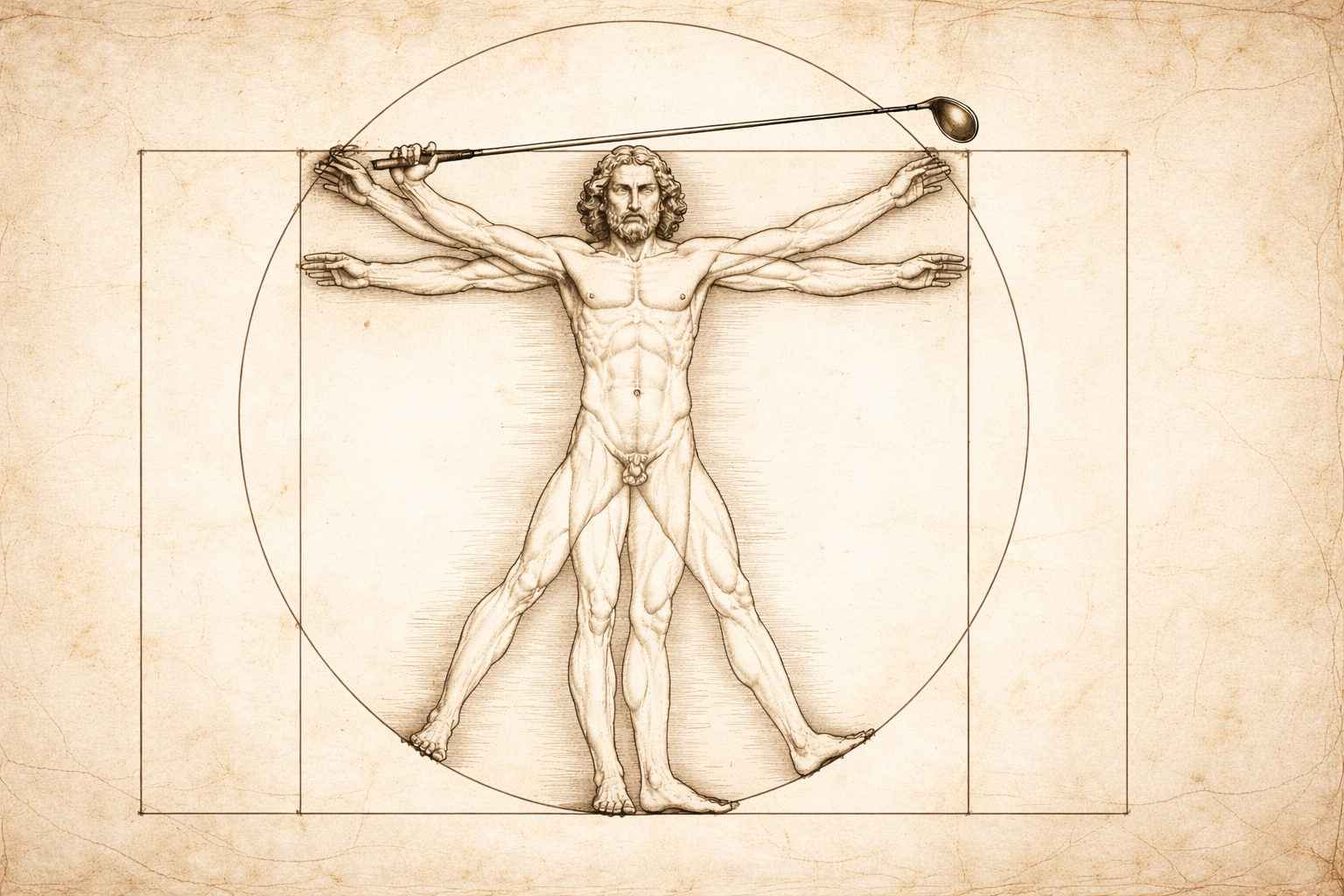
Elitegolf begint met een vrijer lichaam
Waarom betere techniek soms niet genoeg is
Golf is een technische sport, maar het is geen sport die alleen in je handen, armen of club leeft.
Een goede swing vraagt om rotatie, balans, timing, ontspanning en overdracht van kracht door het hele lichaam. Je voeten, bekken, ribbenkast, wervelkolom, schouders, nek en armen moeten op het juiste moment kunnen samenwerken.
Daarom kan golf zo frustrerend worden wanneer je al veel aan je techniek doet, maar toch op hetzelfde plateau blijft hangen.
Je neemt lessen. Je oefent. Je werkt aan mobiliteit of kracht. Je past je grip, stance of backswing aan. Soms helpt dat tijdelijk, maar daarna komen dezelfde patronen terug.
De bal trekt weer naar links of rechts.
Je timing voelt net niet vrij.
Je swing wordt gespannen zodra je harder probeert te slaan.
Je rug, heupen, schouders of nek beginnen mee te protesteren.
Op een bepaald moment is de vraag niet meer alleen: “Wat doe ik verkeerd?”
De betere vraag is:
“Waarom maakt mijn lichaam deze swing zo moeilijk?”
De swing is afhankelijk van structuur
Een krachtige golfswing ontstaat niet door meer spanning toe te voegen. Hij ontstaat wanneer het lichaam kracht efficiënt kan doorgeven.
De grond levert de basis. De benen en heupen zetten beweging in. Het bekken en de romp dragen rotatie over. De schouders, armen en club volgen met snelheid en precisie.
Wanneer die keten vrij werkt, voelt de swing makkelijker. Niet omdat je minder kracht hebt, maar omdat er minder kracht verloren gaat.
Maar als het lichaam structureel moet compenseren, verandert alles.
Als je wervelkolom, ribbenkast, bekken of nek niet vrij kunnen meebewegen, moet je lichaam ergens anders beweging vandaan halen. Dan ga je roteren vanuit plekken die eigenlijk aan het stabiliseren zijn. Of je gaat spanning gebruiken om een positie vast te houden die niet vanzelf ondersteund wordt.
Dat heeft invloed op alles wat golfers belangrijk vinden: clubhoofdsnelheid, balans, timing, precisie, rotatie, afstand en herstel.
Compensatie werkt, totdat het niet meer werkt
Goede golfers zijn vaak uitstekend in compenseren.
Dat is ook waarom ze ver kunnen komen terwijl hun lichaam niet optimaal beweegt. Ze voelen kleine veranderingen, passen zich snel aan en vinden manieren om de bal toch te raken.
Maar compensatie kost energie.
Als je lichaam te veel spierinspanning nodig heeft om stabiel te blijven, blijft er minder vrijheid over voor een soepele swing. De beweging wordt harder werken dan nodig is. Je kunt nog steeds goed spelen, maar je moet steeds meer doen om hetzelfde resultaat te krijgen.
In het begin merk je dat misschien alleen als inconsistentie.
De ene dag voelt je swing vrij. De volgende dag is de timing weg. Soms voelt je lichaam sterk, soms voelt het alsof je tegen jezelf vecht. Je weet dat je de techniek begrijpt, maar je kunt hem niet betrouwbaar herhalen.
Dat is vaak geen gebrek aan discipline.
Het kan een teken zijn dat je lichaam te veel mechanische ruis in het systeem heeft.
Meer kracht is niet altijd de oplossing
Veel golfers proberen meer afstand te vinden door sterker te worden, harder te draaien of agressiever te versnellen.
Dat kan helpen, maar alleen als het lichaam die kracht goed kan gebruiken.
Als je heupen niet vrij kunnen roteren, gaat je onderrug vaak meer werk doen. Als je borstkas vastzit, gaan je schouders en nek compenseren. Als je hoofdpositie niet stabiel voelt, kan je lichaam onbewust spanning toevoegen om controle te houden. Als je voeten en bekken niet goed samenwerken, wordt de overdracht van grondkracht minder efficiënt.
Dan voelt “meer kracht” niet als meer afstand.
Het voelt als meer spanning.
Een vrijere swing komt vaak niet doordat je harder werkt, maar doordat je minder weerstand tegenkomt in je eigen lichaam.
Wat houding met golf te maken heeft
Houding is niet alleen hoe je eruitziet wanneer je rechtop staat. Houding bepaalt ook hoe je lichaam gewicht draagt, spanning verdeelt en beweging organiseert.
Een golfer met een ingezakte of gecompenseerde houding moet vaak spierkracht gebruiken om posities te creëren die idealiter door de structuur zelf ondersteund worden. Dat kan de schouders, heupen en wervelkolom beperken nog voordat de swing begint.
Bij golf is dat belangrijk, omdat kleine beperkingen grote gevolgen kunnen hebben.
Een beetje minder rotatie in de heupen kan leiden tot meer spanning in de onderrug.
Een stijve ribbenkast kan de schouders dwingen harder te werken.
Een hoofd dat naar voren staat, kan invloed hebben op balans, nekspanning en oriëntatie.
Een bekken dat niet vrij beweegt, kan de hele swingketen verstoren.
Je kunt dat proberen te corrigeren met techniek, maar techniek heeft een lichaam nodig dat de beweging kan uitvoeren.
Waarom sommige plateaus structureel zijn
Als je steeds dezelfde correcties van je coach hoort, maar ze niet goed kunt vasthouden, is dat belangrijke informatie.
Misschien weet je precies wat je moet doen, maar voelt je lichaam het niet. Misschien kun je de positie wel vinden tijdens een oefendril, maar verlies je hem zodra je op volle snelheid swingt. Misschien ziet je swing er technisch beter uit op video, maar voelt hij nog steeds gespannen.
Dat betekent niet dat coaching niet werkt.
Het kan betekenen dat je lichaam de gevraagde beweging nog niet goed kan ondersteunen.
Een technisch plateau is soms eigenlijk een structureel plateau.
Daarom kan lichaamswerk zo waardevol zijn voor golfers. Niet als vervanging voor coaching, maar als manier om coaching beter te laten landen.
Wanneer het lichaam vrijer beweegt, worden technische aanwijzingen vaak makkelijker uitvoerbaar. De speler hoeft minder te vechten tegen spanning, beperking of compensatie. De swing krijgt meer ruimte.
Wat Standwell doet voor golfers
Bij Standwell Chiropractic in Amsterdam-Noord kijken we naar de mechanische kant van houding en beweging.
We behandelen niet alleen het gebied dat pijn doet. We kijken naar hoe je lichaam als geheel tegen de zwaartekracht in staat, waar het vastzit, waar het compenseert en waar beweging onnodig veel spierinspanning vraagt.
Voor golfers betekent dat dat we kijken naar de structuren die invloed hebben op rotatie, balans en krachtsoverdracht: de wervelkolom, ribbenkast, bekken, nek, schouders en heupen.
Het doel is niet om je swing technisch te veranderen. Daar is je golfcoach voor.
Het doel is om je lichaam meer vrijheid te geven, zodat je swing minder door compensatie wordt beperkt.
Wanneer het lichaam minder hoeft vast te houden, kan beweging vaak soepeler, krachtiger en natuurlijker aanvoelen.
Kracht ontstaat uit vrijheid
Een goede swing voelt niet alsof elk onderdeel afzonderlijk hard moet werken. Hij voelt verbonden.
De kracht begint in de grond. De rotatie bouwt zich op. De club versnelt. Het lichaam blijft georganiseerd. De bal vertrekt zonder dat je het gevoel hebt dat je alles hebt moeten forceren.
Dat is het verschil tussen kracht maken en kracht doorgeven.
Veel golfers proberen meer kracht te maken, terwijl hun lichaam eigenlijk eerst beter moet leren kracht door te geven.
Dat is waar structurele correctie interessant wordt. Als spanning en compensatie afnemen, hoeft het lichaam minder energie te besteden aan overeind blijven, stabiliseren en beschermen. Er blijft meer vrijheid over voor beweging.
Niet omdat je ineens een andere swing krijgt.
Maar omdat je lichaam minder in de weg zit van de swing die je al probeert te maken.
Voor golfers die verder willen komen
Standwell is vooral interessant voor golfers die al serieus met hun spel bezig zijn.
Als je nog nooit les hebt gehad, begin dan daar. Een goede golfcoach blijft essentieel.
Maar als je al les neemt, traint, oefent en toch tegen dezelfde beperkingen aanloopt, kan het zinvol zijn om naar de structurele kant van je lichaam te kijken.
Dat geldt vooral als je merkt dat je swing gespannen voelt, je rotatie beperkt is, je onderrug of nek steeds opspeelt, je balans wisselt, of je techniek afhankelijk lijkt van hoe je lichaam die dag aanvoelt.
Je lichaam is het instrument waarmee je speelt.
Als dat instrument vrijer wordt, hoeft golf minder hard werken te zijn.
Minder vechten met je swing
Je hoeft je swing niet altijd harder te controleren.
Soms moet je lichaam gewoon minder reden hebben om te compenseren.
Bij Standwell helpen we golfers ontdekken hoeveel makkelijker beweging kan voelen wanneer het lichaam beter ondersteund wordt. Niet door je swing te vervangen, maar door de structurele beperkingen te verminderen die je swing moeilijker maken dan nodig is.
Een betere golfprestatie begint niet altijd met een nieuwe tip.
Soms begint het met een lichaam dat eindelijk vrij genoeg is om de tip uit te voeren.