


YOU NEED MORE PREPARATION
Warm-ups, mobility work or specific routines keep becoming longer before your body feels ready to work.
When your profession depends on movement, strength, breath, precision or endurance, your body is more than something you train. It is the instrument through which your work happens. Standwell identifies and corrects mechanical patterns that make that instrument harder to use, less consistent or more physically expensive to maintain.
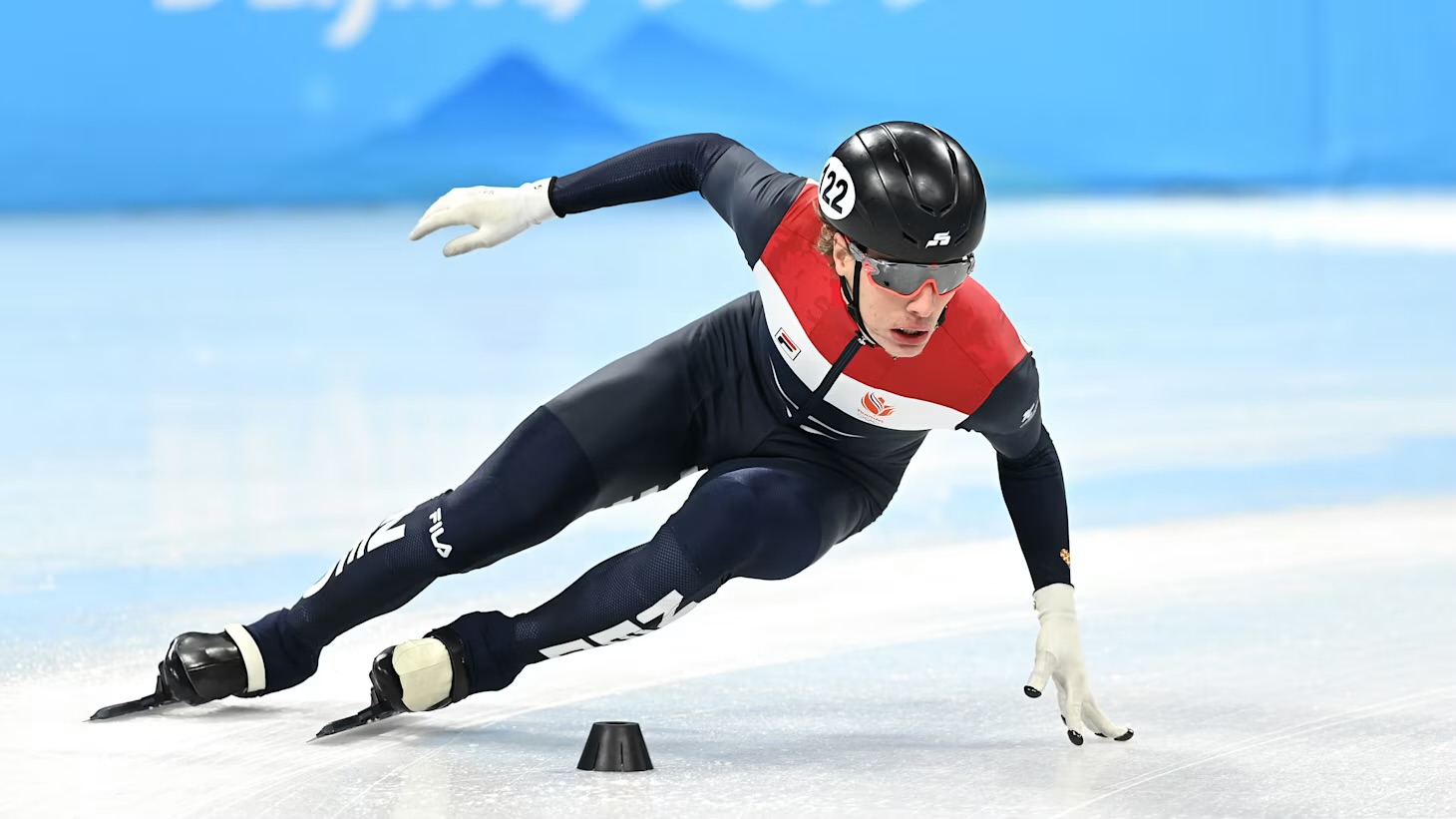
Skill takes years to develop. Strength, coordination, timing, technique and control are built through repetition, coaching and professional experience.
But your ability to use those skills still depends on the physical foundation beneath them. A mechanical restriction may seem minor during ordinary life, yet become significant when you need to repeat the same movement, position, breath pattern or technical task accurately and under pressure.
The goal is not simply to push harder or perform more. It is to protect your ability to keep doing valuable work without compensation steadily increasing the physical cost.
Warm-ups, mobility work or specific routines keep becoming longer before your body feels ready to work.
A movement, position, note or technique is available sometimes, but becomes unreliable under fatigue, repetition or pressure.
The neck, jaw, shoulders, lower back, grip or one side of the body repeatedly carries more than it should.
A movement, posture or position you repeat for work repeatedly irritates the same tendon, joint or muscle group. It improves with rest, then returns when the workload resumes.
Work that was once manageable now creates disproportionate stiffness, fatigue or recovery demands.
These patterns show where compensation is increasing the physical cost of your work. The first visit identifies what is maintaining the pattern and begins correcting it.
For most people, a slight loss of rotation, breath capacity or control may have little practical effect. For someone who relies on their body professionally, the same restriction can affect:
This is why people can remain highly capable while finding that their body takes increasingly more effort to manage.
Correction continues at every visit until consciously relaxing no longer changes your standing posture.
A work-specific movement or task can also be repeated before and after correction, so the change can be measured in the activity that matters to you.
The purpose is not to manufacture an improvement. It is to confirm whether correcting the mechanical pattern changes the baseline your work depends on.
This approach is intended for people whose work or serious practice depends on the reliable use of their body, including:
The common factor is not the profession. It is the need for a body that performs consistently without unnecessary compensation.
Your skill represents years of training and experience. Your body determines how reliably you can continue to express it. Book a first visit at Standwell in Amsterdam Noord to identify and correct the patterns increasing the physical cost of your work.
BOOK APPOINTMENT →These articles explore how structural compensation can affect specific demands, including rotation, voice, strength, balance and repeatable technique.
How posture, rotation and recovery influence padel performance.
READ THE ARTICLE →How relaxed posture supports rotation, balance and repeatable force transfer.
READ THE ARTICLE →How structural compression can increase effort through the breath, throat, jaw and face.
READ THE ARTICLE →Why good technique becomes harder to reproduce when the body is compensating.
READ THE ARTICLE →